Suche

Mail senden

Newsletter

linkedin

twitter

xing

Select Page

Research &
Innovation

Patient-centered research, realizing innovations: There are many good ways to improve healthcare, consistently focus on results and unite the interests of patients, providers and payers. We conduct national and international research into new approaches, including digital ones, and evaluate their benefits in day-to-day care.

From research to innovation to reality

With new forms of care and innovative technologies, we can make the healthcare system more sustainable, patient-oriented and economical. But what brings the greatest benefit to people? Which interventions are particularly efficient? And how can they be integrated into standard care? We want to provide answers to these and other questions and are working together with experts from all over the world in numerous national and international research and “Innovationsfonds” projects. Our focus areas are: Health data analytics, patient-centered care and the implementation of (digital) innovations. We cooperate closely with our healthcare regions, for example in Baden-Württemberg and North Hesse, with various research institutions and associations, such as the International Network of Health Promoting Hospitals and Health Services, which we lead.

Services

Research project initiation & management

Planning to launch a research project or secure funding for one? We can support you every step of the way – from preparing the application and managing implementation to designing the evaluation framework and analysing the data.

Development, implementation and evaluation of care programs

Based on the structures and needs in your region, we develop care programmes – for example, for people with chronic illnesses – implement them in partnership with you, and evaluate their benefits if needed.

Applied health services research and scientific evaluation

We design studies in the field of health services research and conduct scientific evaluations. We examine processes, structures, and outcomes through both qualitative and quantitative methods.

Evaluation & piloting of innovations

What are the benefits of a digital innovation? Can it be implemented, and is it accepted by stakeholders? We explore these questions and complement traditional innovation assessments.

Development, implementation and evaluation of questionnaires (e.g. PREMs & PROMs)

We develop and implement validated questionnaires for a range of target groups, including patients, healthcare providers, and other stakeholders. A particular focus is on PROMs and PREMs, for which we apply a variety of methods to capture experiences and outcomes from the patient’s perspective and use the findings to improve the quality of care.

Health economic studies

We analyse the effectiveness, efficiency, sustainability, and economic potential of healthcare services. To this end, we conduct health economic analyses, evaluations, and modelling.

Hand in hand: ClimateProtection
& healthcare

The negative effects of climate change on human health and our planet have long been recognised. Less well known is that the healthcare sector accounts for 6.7 percent of total greenhouse gas emissions in Germany.

One of the goals of integrated care models is to reduce unnecessary or burdensome treatments for patients. We are currently developing methods to measure the carbon footprint of care pathways. Our objective is not only to enhance quality and efficiency through new care models, but also to lower CO2 emissions in the healthcare sector.

References – Our research projects

We address the complex challenge of advancing quality in both national and international healthcare sectors. Together with our partners, OptiMedis participates in a range of EU and other international research projects, developing interventions to improve healthcare. Learn more about our projects and partners.

Our projects

OECD study PaRIS

OptiMedis participates in the OECD study ‘Patient-Reported Indicator Surveys’ as part of an international consortium. The aim is to develop internationally comparable indicators that capture the experiences and outcomes of people with chronic conditions in outpatient care.

ADLIFE

As part of the EU project ADLIFE on “large scale pilots for integrated outcomes-based care”, the feasibility of a personalized, integrated care platform is being evaluated to help older patients with chronic conditions live independently at home for longer.

COMPAR-EU

COMPAR-EU aims to identify, compare and evaluate the most effective self-management interventions for adults in Europe focusing on patients with chronic conditions.

HealthPros

As part of the “Healthcare Performance Intelligence Professionals” (HealthPros) project, 13 international doctoral students are trained and educated in the field of “data science for health system performance assessment”.

Jadecare

The “Joint Action on implementation of digitally enabled integrated person-centered care” (JADECARE) aims to promote person-centred, digitally supported care for the population by advancing the digital transformation of health systems in the EU.

M@dita

M@dita stands for “Maternity Care @ Digital from the Start” (Mutterschaftsvorsorge@digital im Team von Anfang an) and aims to advance the care for pregnant women. The initiators aim to help reduce preterm and low-birth-weight births and increase the proportion of infants exclusively breastfed four months after birth.

SCIROCCO EXCHANGE

SCIROCCO Exchange aims to support the introduction and expansion of integrated care in Europe. The project includes the development of a model for integrated care, implementation in several EU countries and the corresponding transfer of knowledge.

ASCERTAIN

ASCERTAIN (Affordability and Sustainability improvements through new pricing, Cost- Effectiveness and ReimbursemenT models to Appraise INnovative health technologies) addresses the need of patients, physicians, payers, regulators, and manufacturers to improve the affordability and accessibility to innovative health technologies (including pharmaceuticals) in Europe.

Our partners

Ongoing projects

Strategic partners
Erasmus University Rotterdam, Comenius University Bratislava, Gesundheit Österreich GmbH, University of Oslo, Association Internationale de la Mutualité, Nuromedia GmbH, European Hematology Association, Myeloma Patients Europe AISBL and Chino SRL

Duration: 2022-2026

ASCERTAIN

For many healthcare systems, ensuring the availability of newly approved innovative health technologies is a challenge. The Horizon Europe-funded project ASCERTAIN (Affordability and Sustainability improvements through new pricing, Cost Effectiveness and ReimbursemenT models to Appraise iNnovative health technologies) aims to make innovative health technologies, including medicines, more accessible and available more quickly in Europe. Launched in December 2022, it targets patients, doctors, payers, policy makers, and manufacturers. Over four years, the ten project partners will develop new remuneration models for innovative forms of therapy and care. In addition to expensive cancer therapies, for which success parameters are integrated into the remuneration models, the remuneration of digital solutions will also be evaluated. OptiMedis is leading the Dissemination and Exploitation work package and is also responsible for integrating approaches to account for the climate impact of care into the remuneration models.

HealthIntelAct

HealthIntelAct is an international research project funded by the Marie Skłodowska-Curie Actions – Doctoral Networks under the prestigious Horizon Europe initiative. Building on the success of the recently completed HealthPros project, in which OptiMedis was also a partner, it brings together 17 doctoral students conducting interdisciplinary research in three key areas: People – strengthening patient-centred care and promoting fairness and inclusivity in healthcare; Planet – enhancing environmental responsibility in the healthcare sector and fostering sustainable behaviours; and Prosperity – advancing the social and financial sustainability of health and care systems. The projects collaborate across Europe, bringing together academia, practice, and industry in equal measure. Within HealthIntelAct, OptiMedis is responsible for training and supervising three doctoral students and leads the work package Environmentally sustainable health and care systems.

Strategic partners
University of Amsterdam (consortium leader), North Denmark Region / Aalborg University, University of Medicine and Pharmacy Bucharest, Scuola Superiore di Studi Universitari e di Perfezionamento Sant’Anna (Italy), Ministère de la Santé et de la Sécurité Sociale in Luxembourg, National Institute of Public Health in Slovenia and the University of Oxford.

Duration: 2025-2028

Further information
www.healthintelact.eu

Strategic partners
Erasmus University Rotterdam, Comenius University Bratislava, Gesundheit Österreich GmbH, University of Oslo, Association Internationale de la Mutualité, Nuromedia GmbH, European Hematology Association, Myeloma Patients Europe AISBL and Chino SRL

Duration: 2022-2026

Further information
www.safestsurgery.eu

SAFEST

The EU project Improving Quality and Patient SAFEty in Surgical Care through Standardisation and Harmonisation of Perioperative Care in Europe (SAFEST) focuses on developing patient-centred, evidence-based standardised procedures for patient safety in perioperative care. Its goals are to improve compliance with evidence-based standardised patient safety practices in perioperative care by 15 percent, reduce the incidence of surgical complications by eight percent after an 18-month, multi-component intervention, and promote the adoption of evidence-based practices through the use of a Perioperative Quality Improvement Learning Collaborative (PQILC).

completed projects

AGATHE

On behalf of the Thuringian Ministry of Labour, Social Affairs, Health, Women and Family, OptiMedis evaluated the AGATHE – Ageing in the Community programme. The aim is to better integrate people over the age of 63 who live alone into community life to reduce or prevent loneliness. AGATHE has been implemented in eleven regions in Thuringia since 2021. OptiMedis carried out an interim evaluation from April 2023 to April 2024 to assess the programme’s effectiveness and provide specific recommendations for its further development. Using a qualitative approach, 120 interviews were conducted with senior citizens, AGATHE staff and municipal representatives. In the second phase, the findings were discussed in focus groups, and the final results were presented at a public event in Erfurt in April 2024.

Strategic partners
Thuringian Ministry of Labor, Social Affairs, Health, Women and Family

Duration: 2021-2024

Further information
www.agathe-thueringen.de
To the final report.

Strategic partners
Kronikgune – Basque Institute for Health Services Research

Duration: 2020-2024

Further information
www.adlifeproject.com

ADLIFE

As part of the EU project ADLIFE (integrated personalized care for patients with advanced chronic diseases to improve health and quality of life), the feasibility of a personalised, integrated care platform is being evaluated to enable elderly patients with advanced chronic diseases to live longer in their own homes. In addition to the patient empowerment platform, prediction models will also be used to improve the early detection of relevant care measures. As a consortium partner, OptiMedis is leading the Business Exploitation work package and is supporting the Healthy Werra-Meißner District health region in piloting the patient empowerment tools.

COMPAR-EU

COMPAR-EU aims to identify, compare, and evaluate the most effective self-management interventions (SMIs) for adults in Europe. The focus is on patients with one of the following four chronic diseases: type 2 diabetes, obesity, chronic obstructive pulmonary disease, and heart failure. Based on the comparison of different self-management interventions, decision support tools will be developed for physicians, patients, guideline developers, and policy makers. Seven partners from five countries are working on the project, including OptiMedis. We are responsible for the website www.self-management.eu, which will also provide comprehensive information on decision aids for patients and healthcare providers, and is to be expanded as the primary information portal on this topic in the EU. We also developed a data management plan outlining the approach for collecting and processing large amounts of data over the entire project duration, a communication and dissemination plan with strategies for sharing project results, and business plans for the practical implementation of the identified interventions.

Strategic partners
Autonomous University of Barcelona, Cochrane Centre Barcelona, Netherlands Institute for Health Services Research, European Patient Forum

Duration: 2018-2022

Further information
www.self-management.eu

Duration: 2018-2022

Further information
www.healthpros-h2020.eu

HealthPros

The Healthcare Performance Intelligence Professionals (HealthPros) project is a Marie Sklodowska-Curie Training Network. Its aim is to train 13 international doctoral students in the field of Data Science for Health System Performance Assessment within a specially developed programme. They will then be able to systematically link health data with strategic planning decisions. The background is an international need for experts who can combine multidisciplinary expertise from fields such as medicine, social sciences, IT, and health policy, and translate this into measures to improve healthcare systems and services. As Co-Principal Investigator in the project, Dr Oliver Gröne leads the work package Governance Mechanisms for Performance Improvement. OptiMedis is also responsible – in collaboration with Prof Jonas Schreyögg from the Hamburg Center for Health Economics – for training and supervising two doctoral students.

JADECARE

The Joint Action on Implementation of Digitally Enabled Integrated Person-Centred Care (JADECARE) is an EU-funded project and part of the European Union’s initiative The Third Health Programme 2014–2020 – funding health initiatives. The digital development of healthcare systems in the EU aims to promote person-centred, digitally supported care for the population. A total of 17 partners and 40 regions from across Europe are taking part. Four best-practice models in Europe serve as templates for implementing proven care methods in various European healthcare systems – including the OptiMedis care model. In cooperation with Eurometropole Strasbourg, OptiMedis advises institutions in six European countries on introducing the OptiMedis approach.

Strategic partners
Academic Medical Centre Amsterdam, University of Oxford, Pisa School of Advanced Studies

Duration: 2020-2023

Further information
www.jadecare.eu

Strategic partners
AOK Nordwest, Techniker Krankenkasse, Hamburg Center for Health Economics

Duration: 2020-2023

Further information
www.madita.online

M@dita

M@dita (Mutterschaftsvorsorge@digital im Team von Anfang an) aims to further improve care for pregnant women. The initiative seeks to help reduce premature birth and miscarriage rates and increase the proportion of children who are fully breastfed four months after birth. Another focus is on establishing a regional network that systematically links medical and social care structures. Pregnant women receive personal care from their networked team of gynaecologists and midwives. Through the M@dita app, they have access to their digital maternity record, personalised information, and much more. AOK Nordwest launched the care programme together with the consortium partners Techniker Krankenkasse, Hebammenverband Schleswig-Holstein, OptiMedis, and the Hamburg Center for Health Economics (HCHE) at the University of Hamburg. OptiMedis was responsible, among other things, for acquisition, communication, and external representation.

OECD study PaRIS

As part of the OECD’s international consortium Patient-Reported Indicator Surveys (PaRIS), OptiMedis is developing measurement methods to assess the quality of care from the perspective of chronically ill patients. These methods are used to collect data in OECD member countries. The aim is to create internationally comparable indicators that capture the experiences and outcomes of people with chronic illnesses in outpatient care. Among other activities, OptiMedis is developing a questionnaire based on already validated Patient-Reported Outcome Measures (PROMs – patient-reported outcomes of care) and Patient-Reported Experience Measures (PREMs – patient-reported experiences of care).

Strategic partners
OECD, Netherlands Institute for Health Services Research, National University of Singapore

Duration: 2017-2023

Further information
www.oecd.org/health/paris

Results
The results and links to publications will be published shortly on the project website.

Strategic partners
Witten/Herdecke University

Duration: 2019-2021

Further information:
www.pflegeheim-sensitive-krankenhausfaelle.de

PSK – Reducing Nursing Home-Sensitive Hospital Admissions

When elderly patients are admitted to hospital from a nursing home, there is always a risk that their health will deteriorate – whether due to psychological stress, infections, or prolonged immobilisation. As part of the Innovation Fund project Needs-based care for nursing home residents by reducing nursing home-sensitive hospital cases, Witten/Herdecke University and OptiMedis investigated, among other things, the following questions: Which hospitalisations could be avoided, what new structures would be required, and how should specialist staff be trained? The project was successfully completed in 2021. A list of nursing home-sensitive hospital cases (PSK) was compiled and the respective avoidance potential estimated. At the same time, measures were identified that could reduce the proportion of PSKs, and the potential savings for the SHI system were calculated. The catalogue published at the end of the project can be used by health insurance funds, for example, to identify and quantify avoidance potential. The recommendations are aimed at cost bearers, service providers, and political decision-makers.

Scirocco Exchange

SCIROCCO Exchange aims to support the introduction and expansion of integrated care in Europe. The project involves developing a model for integrated care, implementing it in several EU countries, and facilitating the corresponding knowledge transfer. OptiMedis is responsible for collecting the “Scirocco Maturity” matrix on integrated care in Germany and recommends concrete quality improvement measures based on the matrix surveys from all countries, to be reviewed and implemented within the respective regional contexts.

Strategic partners
NHS Scotland

Duration: 2019-2022

Further information
www.sciroccoexchange.com

Results
Act@Scale has published a handbook with best-practice analyses and experiences from the project.

Strategic partners
NHS Scotland

Duration: 2017-2019


ACT@Scale

ACT@SCALE is an EU project that was successfully completed in 2019. It identified pilot projects for integrated care in the EU and implemented best-practice models for care coordination and telehealth in new contexts, scaling them up to larger populations. In total, 75,000 citizens and patients gained access to the new care models. The target group included patients with chronic illnesses and older people who were, for example, frail, mentally ill, or required social services. Project partners included various European health regions and universities. OptiMedis had two tasks in this project. Firstly, we supported Gesundes Kinzigtal GmbH, which was also one of the project partners, in its population health analyses and evaluated the impact of the Kinzigtal intervention programmes Health Advice and Training World, for which so-called Quality Improvement Collaboratives were implemented. These are agile approaches for the local identification and implementation of measures to improve care. Secondly, OptiMedis worked with the University of Groningen to develop business plans for the pilot projects to support sustainable implementation and adaptation in other regions.

BigMedilytics

The EU project BigMedilytics implemented pilot projects with 35 partners from 12 countries on the application of artificial intelligence in the areas of population health and chronic diseases, oncology, and process optimisation in healthcare. OptiMedis’ role was to work with the INCLIVA Foundation in Valencia and Philips in Eindhoven to develop and implement improved methods for predicting patient utilisation behaviour. Together with our partners, we analysed a comprehensive dataset from the Valencia region in Spain, which includes detailed clinical data and information on individual risk behaviour in addition to standard care data. The aim was to explore how artificial intelligence can be used to improve process management in the healthcare system, assess its benefits and risks, and develop new care models.

Strategic partners
Philips, University of Valencia

Duration: 2018-2021

Further information
www.bigmedilytics.eu


Strategic partners
Verband der Ersatzkassen, German Network of Health-Promoting Hospitals and Healthcare Facilities

Duration:
Pilot project 2020-2021, second project run: 2024-2025


Training system Occupational health management

In order to support hospitals and care facilities in their workplace health promotion efforts, the Verband der Ersatzkassen e.V. (vdek) and OptiMedis AG jointly developed a training system for workplace health management (BGM). It is aimed at hospitals, (semi-)inpatient care facilities, and outpatient care services. The structured seminar series designed by OptiMedis was piloted in 20 facilities in 2020–2021. The German Network of Health-Promoting Hospitals and Healthcare Facilities (DNGfK) participated as a key strategic partner, and the project was comprehensively evaluated externally by the Hamburg Center for Health Economics (HCHE). Following the success of the first project phase, a further cohort from the inpatient care sector was accompanied from late 2024 to mid-2025 for the development of a sustainable OHM. Topics included identifying the operational framework conditions needed for a successful OHM, ways to promote a health-oriented work and lifestyle among employees, healthy leadership, and the fundamentals of project management as well as relevant management tools.

Redesign of decision-making processes in outpatient care

Patients are rarely involved in medical decisions, information and decision-making processes are poorly structured, and documentation is insufficient. These shortcomings in patient participation have long been criticised. In cooperation with OptiMedis, the Bertelsmann Stiftung therefore examined current care processes and analysed the experiences and expectations of patients, doctors, and experts. The project was completed in 2021. The results are recommendations for improving information, communication, and participation, with a particular focus on shared decision-making.

Results
The study can be downloaded as a PDF file from the Bertelsmann Stiftung website.

Strategic partners
Bertelsmann Stiftung

Duration: 2019-2021

Further information:
www.bertelsmann-stiftung.de

Ask me!

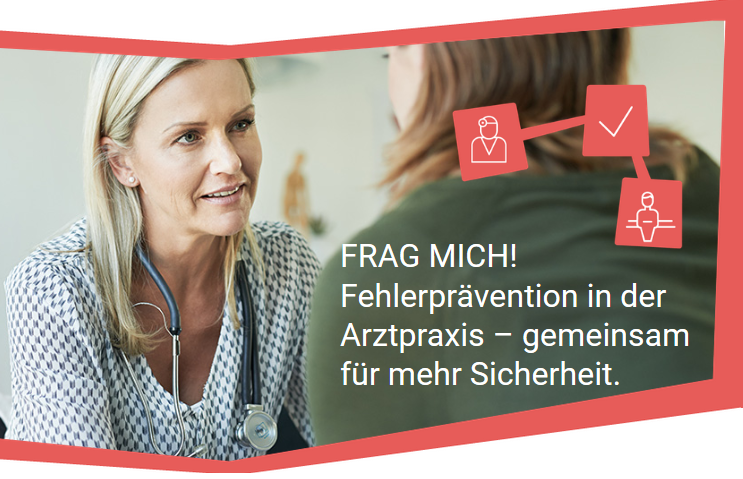
Involving patients in error prevention is important to uncover safety-related issues and improve prevention efforts. This has been demonstrated by experience in the inpatient sector. However, at the start of the “Ask me!” project, there were no suitable German-language measurement instruments for outpatient care. On behalf of the Federal Ministry of Health, OptiMedis developed and tested a questionnaire for patients on safety-related events. In addition, OptiMedis designed a feedback mechanism that automatically feeds patient feedback back to the practices.

Results
The results were presented in a final report and a video presentation

Strategic partners
BMG, Westphalia-Lippe Association of Statutory Health Insurance Physicians, Action Alliance
Patient Safety

Duration: 2019-2021

Further information
www.frag-mich.org

Contact us

Prof. Dr. Oliver Gröne

Chief Scientific Officer (CSO) &
Head of Research

+49 40 22621149-21

+49 178 5921013

o.groene@optimedis.de